The 2026 Biennale Matter of Art is a gathering of diverse cultural and artistic practices that respond to lived necessities. The fourth edition of the biennale approaches necessity as both a central conceptual term and a guiding principle, weaving together a multiplicity of artworks, organisational and educational methods, modes of sharing time and space, and ways of making and receiving art. In that context, art appears as neither an aesthetic choice, a commodity, nor a professionalised activity but as an instinctive, embodied response to lived conditions—something unavoidable and embedded in the very structure of daily life and its politics.
The biennale asks what the necessary things are—the things we cannot refrain from doing. Necessity may take the form of protest—as a means of survival and a manifestation of life—but it may also appear as an intimate gesture, an escape from visibility, or a turning inward toward the self. This year’s biennale proposes artistic form as a vehicle for solidarity and compassion, functioning as a carrier, proxy, and instrument for strengthening insurgent communities as much as addressing personal urgency. These practices sustain relationships from within, amplify silenced voices, and nourish hope by calling allies to action in response to oppression. Necessity is about learning to live with contradictions, embracing an irresistible rhythm, and navigating the choreographies of limitations. Art born of necessity is thus also an art of the poetics of reduction, involving not-doing as well as practices of restraint, refusal, boycott, and withdrawal.
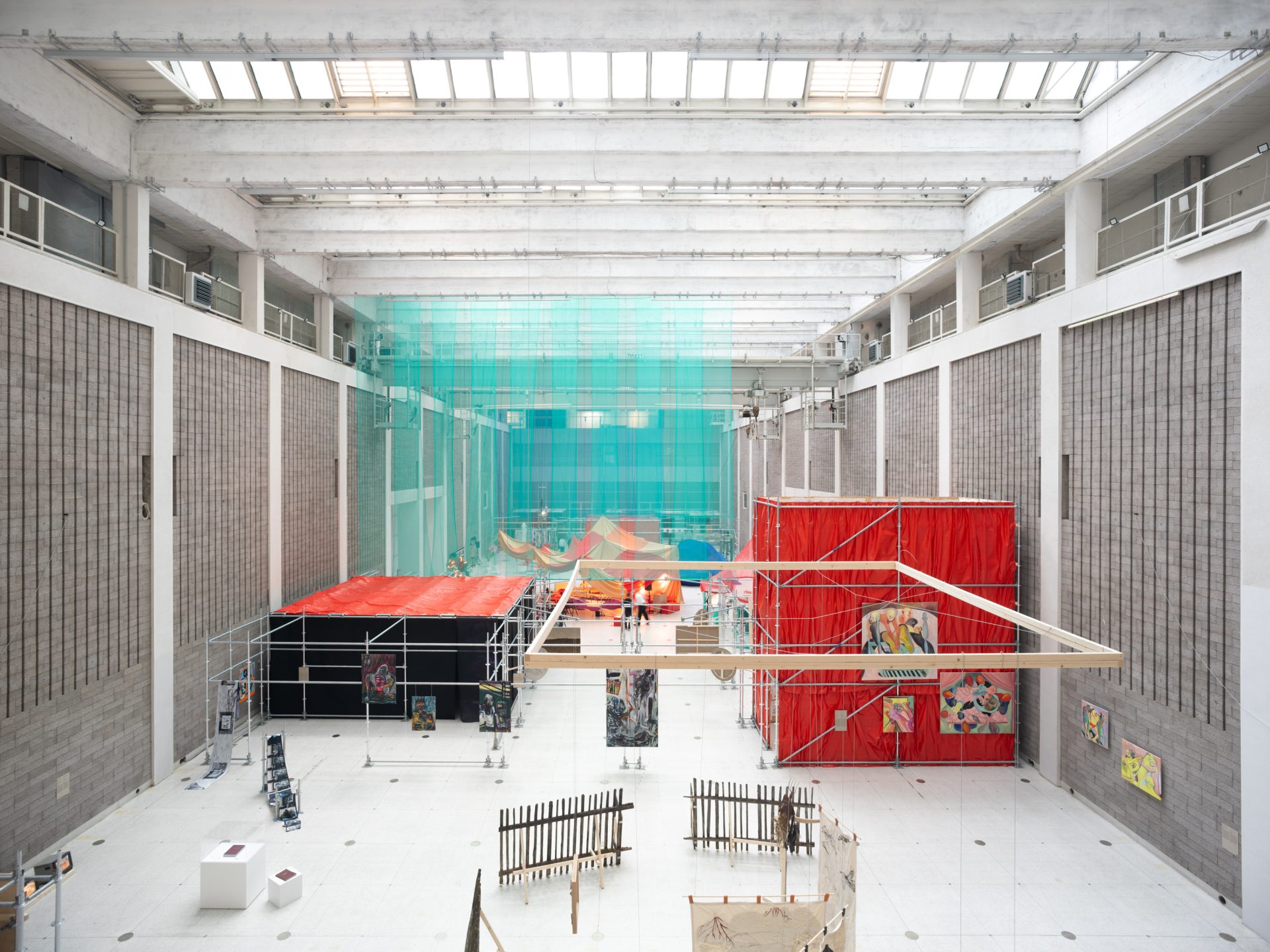
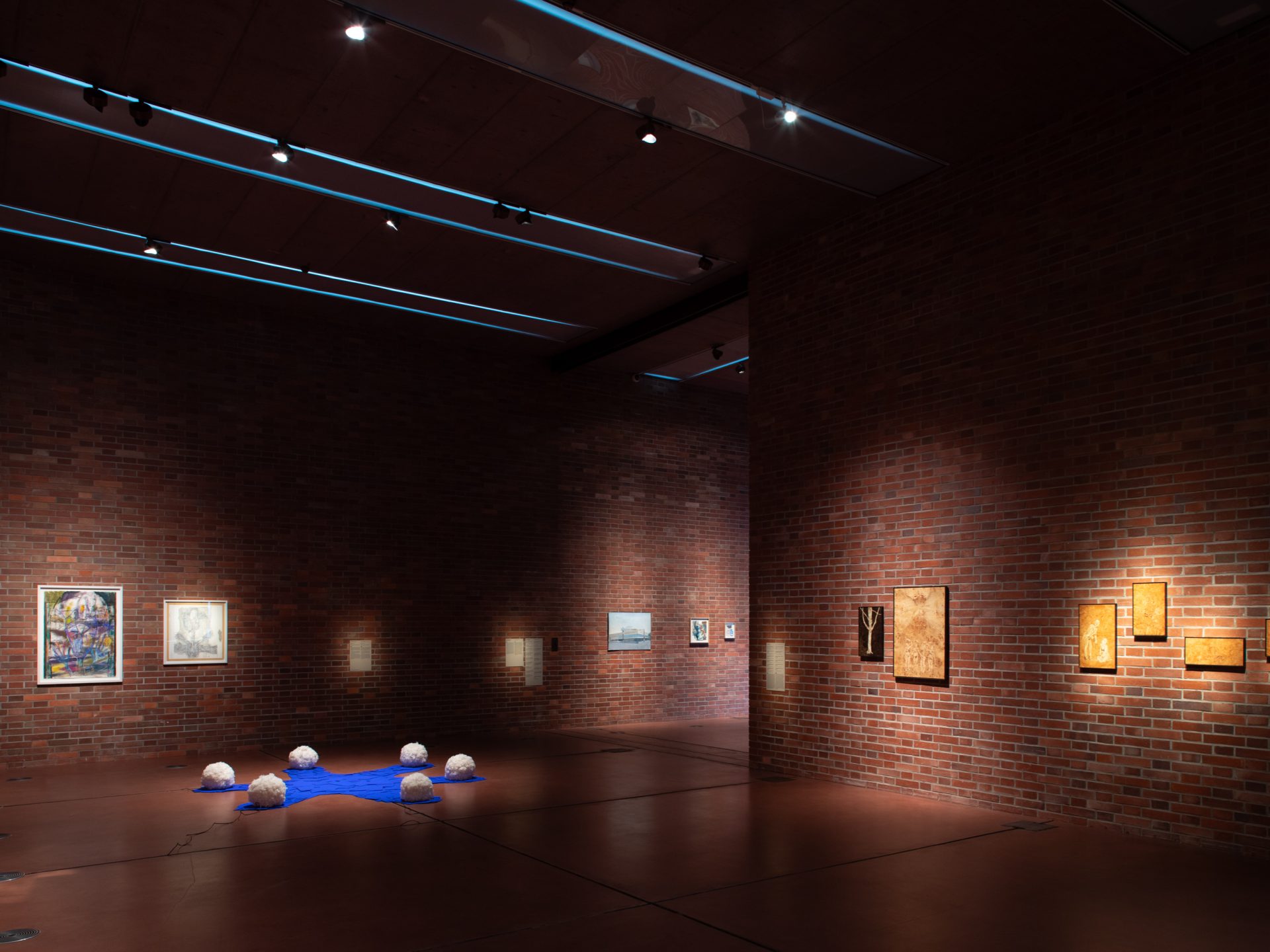
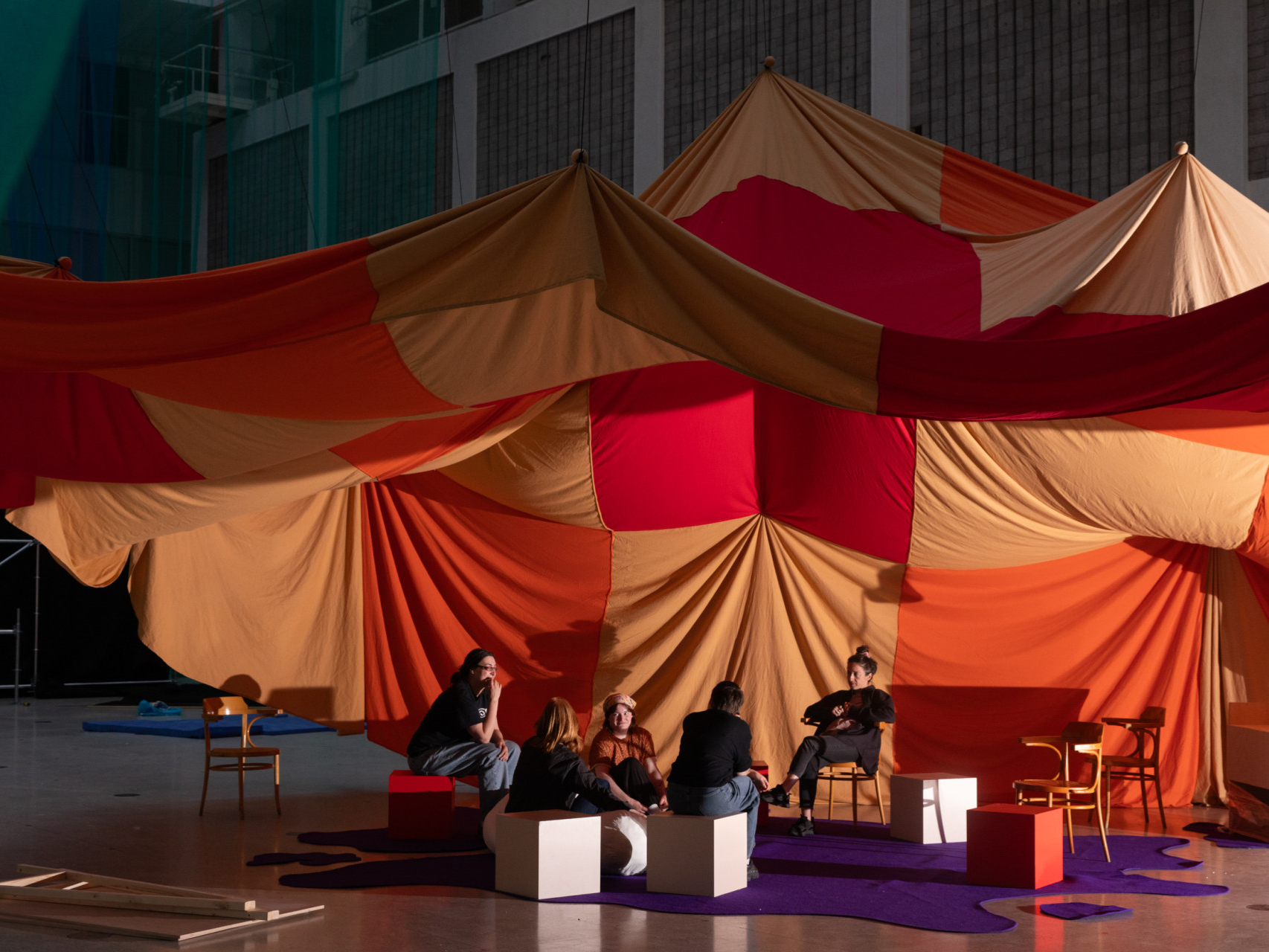
The biennale unfolds through two exhibitions in Prague and Pardubice as well as collective readings, communal cooking and gardening, workshops, publishing, and radio practices programmed through a decentralised process. Shaped by a curatorial team with multiple perspectives and extended through invitations to local collectives, it seeks not only to highlight diverse artistic responses to the urgencies of the present but also to support and strengthen existing practices over the long term. Conceived as a porous, open, and shared entity, the biennale revisits notions of ownership, authorship, and resource sharing, shifting them toward collaborative and collective modalities.
The works and practices that constitute the biennale emerge from processes that assert themselves with vital force and impose their own necessity, like gasping for air, experiencing a heartbeat, or feeling labour contractions—events that cannot be postponed, redirected, or refused. The most compelling form of necessity is therefore experienced within the body itself, in the life process that moves through us and keeps us in constant transformation through automatic, irresistible rhythms beyond conscious control.